
How Long Does Weed Stay in Your System?
Detection windows, THC detox timelines, and what actually works
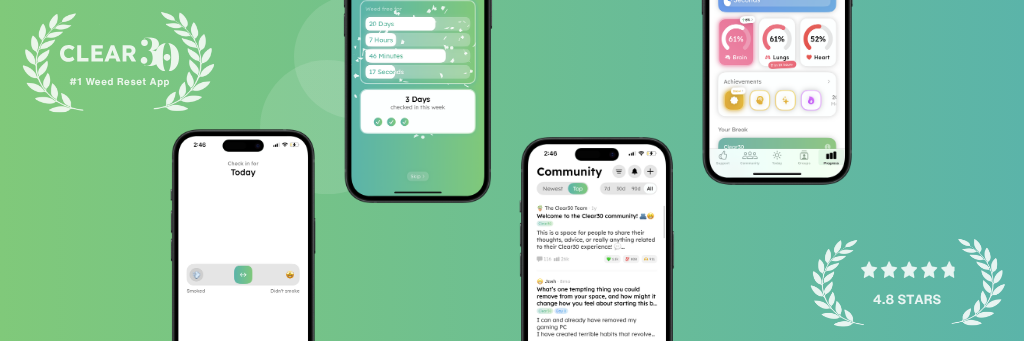
Clear30 is the #1 science-based weed-break app. Join 150,000+ others resetting their relationship with cannabis and taking control of their focus, sleep, and mood.
Two questions usually bring people here: when will I pass a drug test? and how long until my body fully clears THC? Short answer — it depends heavily on how much you've been using, your body composition, and which test you're taking. Long answer is below, with the detection windows that actually apply to your situation, what changes how fast you clear, and what's real (vs. what's marketing) when it comes to speeding it up.
Bonus: if you're quitting anyway, this guide covers what to expect on the actual timeline — and how to make it stick.
📅 Detection Windows — How Long Each Test Can See THC
Urine Tests (The Most Common)
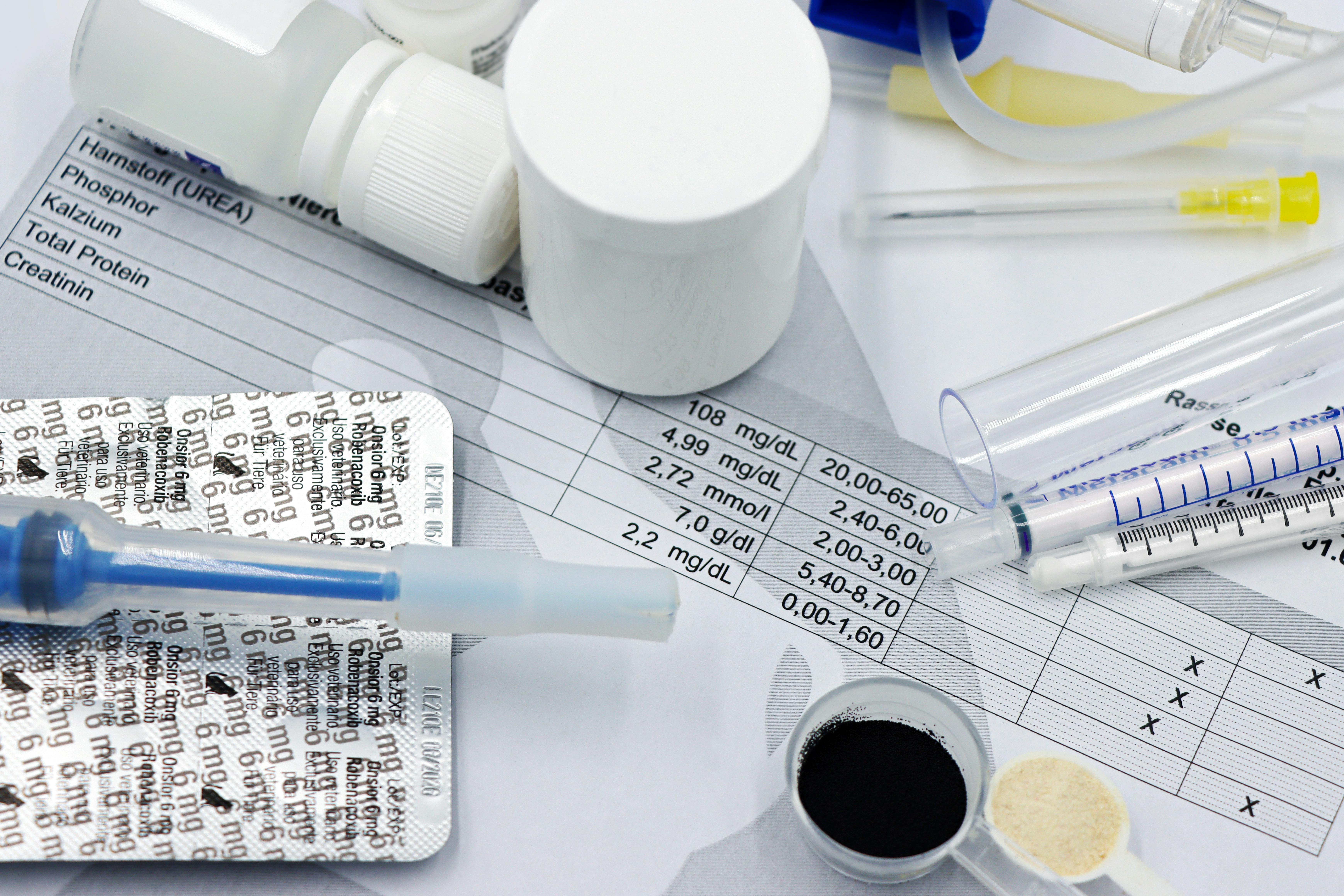
Urine tests are by far the most common — used by most employers and courts — because THC metabolites linger longest in urine:
- Occasional user (1–3 times/week): 3–7 days
- Moderate user (4+ times/week): 7–21 days
- Daily user: 15–30 days
- Heavy daily user (multiple times/day, high-potency): 30–60+ days, occasionally longer
The standard test looks for THC-COOH (a metabolite of THC, not THC itself). The cutoff threshold is typically 50 ng/mL for standard tests or 15 ng/mL for more sensitive ones. More sensitive tests see THC longer — which is why "I should be clear by now" sometimes fails.
Blood Tests (Shortest Window)
Blood tests are the shortest detection window — but also the most invasive, so they're reserved for DUI cases, post-accident testing, and some medical contexts:
- Occasional user: Active THC detectable 1–2 days; metabolites up to a week
- Daily/heavy user: Up to 7 days for active THC; metabolites detectable 2+ weeks
Because blood tests detect active THC (not just metabolites), a positive blood test more directly suggests recent impairment. That's why it's the standard in impairment investigations.
Saliva Tests (Roadside & Quick-Check)
Saliva tests — common in roadside DUI testing and some workplaces — have a short window:
- Occasional user: 24–72 hours
- Daily user: Up to 7 days
Saliva tests detect actual THC residue in the mouth, so they're most sensitive to very recent use (within 24 hours) and much less reliable at distinguishing light-use windows beyond that.
Hair Tests (The Long Memory)
Hair tests have by far the longest detection window:
- Any regular use in the last 90 days can show up
- Some tests can detect use as far back as a year (depending on hair length tested)
The caveat: hair tests are relatively rare for cannabis specifically — they're expensive and mostly used in litigation, custody cases, or specific workplace contexts. They can also produce false positives from heavy secondhand exposure. If you're worried about one, it's worth asking what specifically will be tested.
🧬 What Affects How Long Weed Stays in You

Frequency and History of Use
The single biggest factor. THC is fat-soluble, which means it doesn't flush out like water-soluble substances do — it gets stored in fat tissue and slowly releases back into the bloodstream over days or weeks.
According to NIDA data on cannabis, the more frequently and heavily you've been using, the more THC has accumulated in your fat stores — and the longer it takes to fully clear.
This is why the same drug test that catches a daily user at week 4 can miss an occasional user at day 3. The accumulated load is the driver.
Body Composition and Metabolism
Three body factors matter:
- Body fat percentage: More fat = more storage capacity for THC = longer clearance window
- Metabolism rate: Faster metabolism (higher activity, lean mass) clears THC faster
- Hydration and kidney function: Play a role in how efficiently metabolites are excreted
Two daily users with identical use patterns can have very different detection windows just based on body composition. This is why drug-test calculators are generally approximations — individual variation is significant.
A heavy daily user on how long it actually took to test clean:I've taken up to 2-3 months to test clean. But I'm a very heavy daily user, so I agree with under a month for OP's usage.— u/Altostratus on r/TooAfraidToAsk
Potency and Consumption Method
What you've been using matters as much as how often:
- Concentrates (dabs, wax, high-THC carts): Higher THC concentration = more THC stored = longer clearance. Heavy dab users often test positive weeks longer than flower-only users with equivalent frequency.
- Edibles: Processed differently by the liver, creating metabolites that can linger slightly longer in some cases
- Flower/smoking: The baseline pattern most drug-test timelines are based on
- Vaping: Similar to smoking for detection purposes
Why You Might Still Test Positive After 30+ Days
A common frustration for heavy former users: you haven't used in a month, you feel normal, and you still test positive. The explanation is fat-release.
THC stored in fat cells doesn't leave all at once. Your body gradually metabolizes and releases small amounts back into circulation over weeks, especially during periods of weight loss, exercise, or fasting — anything that prompts your body to mobilize fat stores. For heavy long-term users, this release can keep urine THC above the detection threshold for 6–12 weeks despite total abstinence.
Three practical implications:
- If you've been a heavy user, plan for longer than the "30 days" rule of thumb — expect up to 60 days of positive tests in some cases.
- Avoid aggressive weight-loss protocols in the weeks before a test — they can briefly spike urine THC levels.
- Home test weekly to track the actual curve rather than guessing.
💧 What Actually Works for THC Clearance (and What Doesn't)
What Actually Helps
A few things genuinely speed clearance — modestly, not magically:
- Hydration. 2–3 liters of water per day keeps your kidneys working efficiently. It won't make THC disappear, but it helps the metabolites you're already clearing move through faster.
- Regular exercise — BUT stop 1 week before a test. Exercise mobilizes fat-stored THC, briefly raising urine THC levels. Over weeks, it helps you clear faster. In the last week before a test, it can make a borderline result worse.
- High-fiber, balanced diet. Fiber helps THC metabolites excreted through the digestive tract get out of your system rather than being reabsorbed.
- Time. The most reliable variable. Heavy users who try to crash-clear in 5 days almost always fail. Moderate users who give themselves 2+ weeks usually succeed.
Using Home Test Kits as a Checkpoint
If you have a specific test deadline and you're wondering whether you'll actually be ready, home drug test kits are the single most useful tool most people overlook.
- They cost $2–10 each at most pharmacies — cheap enough to test weekly.
- Most use the same 50 ng/mL cutoff as standard workplace urine tests. If you test positive on a home kit, you'll test positive at work.
- A few use the 15 ng/mL more-sensitive threshold (check the box). Use these if the test you're taking is sensitive — it's better to know now than fail later.
A reasonable protocol if you have 2+ weeks before your test: start home-testing weekly, then daily in the final week. You'll see the trend line — positive, still positive, borderline, negative — and know whether to push the test back or whether you're actually clear.
If you're still testing positive 3 days before the real test, the honest answer is usually that you need more time. Home kits let you know before you fail instead of after.
What Doesn't Work (Popular Myths)
Most detox products on the market fall into one of three categories: doesn't work, works briefly through dilution, or actively makes things worse.
- Detox drinks (most brands): They work by temporarily diluting your urine — which many labs detect as an invalid sample. Modern tests often check creatinine levels to catch this.
- Niacin flushes: The old reddit remedy. No reliable evidence it works; high-dose niacin can cause serious liver issues.
- Cranberry juice, vinegar, pickle juice: Folk remedies. No clinical evidence they affect THC clearance.
- Synthetic urine: Illegal in many jurisdictions; many labs now screen for it specifically (temperature, pH).
- Sweating it out (saunas): Sweat doesn't significantly excrete THC. Helpful for stress but not clearance.
- Megadosing vitamin B12: Common Reddit advice paired with water-loading. The B12 only turns your urine yellow (masking the dilution) — it doesn't actually affect THC levels.
- Zinc supplements: There's some old research suggesting zinc interferes with immunoassay tests, but most modern labs use confirmation tests (GC-MS) that zinc doesn't affect. Not a reliable strategy.
- Certo / fruit pectin: Drinking Sure-Jell mixed in water. Popular Reddit hack, no clinical evidence it works beyond the dilution effect (same problem as detox drinks).
The uncomfortable truth: if you need to pass a drug test and you've been using heavily, the only reliable path is time. Every dollar spent on detox products is usually better spent on finding a new job timeline, talking to your employer, or using the time to actually quit.
🎯 If You're Quitting Anyway — Here's the Real Timeline

Detection Timeline vs. Recovery Timeline
Important distinction most people miss: the detection timeline (how long a test can see THC) is different from the recovery timeline (how long until your brain and body return to baseline).
- Tolerance recovery: Begins within days. CB1 receptors start regenerating within 48 hours of your last use. Most of the receptor recovery happens over 2–4 weeks.
- Acute withdrawal window: 3-5 days of peak symptoms, fading significantly by week 2. See our withdrawal symptoms guide for the day-by-day.
- THC metabolite clearance: Weeks to months for heavy users. This is what drug tests measure — but it's happening long after you feel normal again.
Practical implication: by the time you feel fully back to baseline (usually around week 4), you may still test positive. Your brain is done recalibrating long before your fat stores are done releasing.
Making the Quit Stick
If you started reading this because of a drug test but you're also curious whether you could just keep going — a few things worth knowing:
- The hardest days are 3–5 (peak withdrawal), not day 1 or day 30
- Sleep, irritability, and appetite usually come back by week 2 — see the sleep guide and the cravings guide for what helps in the meantime
- Most people who make it through the first month report sleep quality actually being BETTER than when they were using — the opposite of what they expected
- If you've wondered whether your use had become problematic, a forced quit is a useful diagnostic — if the break feels easy, great; if it's hard, that's real data worth paying attention to. Our self-assessment guide walks through the clinical criteria.
For structured support during a 30-day break — especially if the drug-test timeline has basically forced your hand — Clear30's break calendar gives you a visible streak, and the community puts you in a group with people going through the same thing.
One r/LifeAdvice user on accidentally staying off after 8 years of daily use:Idk, I just stopped. Ran out of weed, and I stuck with it. Instead of buying more, I was like nah. Found a small nug and a blunt paper like a week after, smoked it but then I never smoked again. It's been like almost a year since then. I don't hate it but I just didn't find it appealing anymore, so I said F it. I was literally high every day for like 8 years straight.— u/Username448281 on r/LifeAdvice
The Bigger Picture
Looking beyond the drug test: if you've been using heavily for a long time, a one-off clearance isn't going to change the underlying pattern. Within a week or two of restarting, your THC load rebuilds; the next time you need to clear, you're in the same spot.
The alternatives worth considering:
- Taking a structured tolerance break so the reset actually lasts
- Deciding between moderation and quitting based on an honest assessment, rather than reacting to each drug test
- Picking a quit approach that fits your history — tapering vs. cold turkey
The drug test is usually what brings people here. But the question worth answering is what you want your relationship with cannabis to actually look like over the next year — not just the next 30 days.
Frequently Asked Questions
How long does weed stay in urine for daily users?
Does exercise help clear THC faster?
Do detox drinks actually work?
Can secondhand smoke cause a positive drug test?
What's the fastest way to pass a drug test if I've been a heavy user?
Is blood or urine testing more sensitive?
Join the 30-day Clear30 Break and Reset Your Relationship with Weed
Clear30 is a science-backed, supportive way to take a 30-day break from cannabis. Our app gives you practical tools, daily guidance, and a community of people on the same journey.
- Claire — your 24/7 AI weed-break coach
- Daily break calendar & streak tracker
- Money-saved meter
- Groups with leaderboard + accountability pings
- Dedicated craving button & guided craving meditations
- Symptom cards for anxiety, sleep, cravings, and more
- Journal prompts and non-cannabis habit tracking
- Message a human peer expert
Whether you’re quitting, cutting back, or just taking a reset, Clear30 meets you where you are. Try the #1 science-based app to quit weed and compete in our 30-day break with others.
Ready to take a clear break from weed?
Start your 30-day break with Clear30 and reset your relationship with cannabis. You'll feel the difference. — The Clear30 Team
Download