
Am I Addicted to Weed?
Signs of Cannabis Addiction
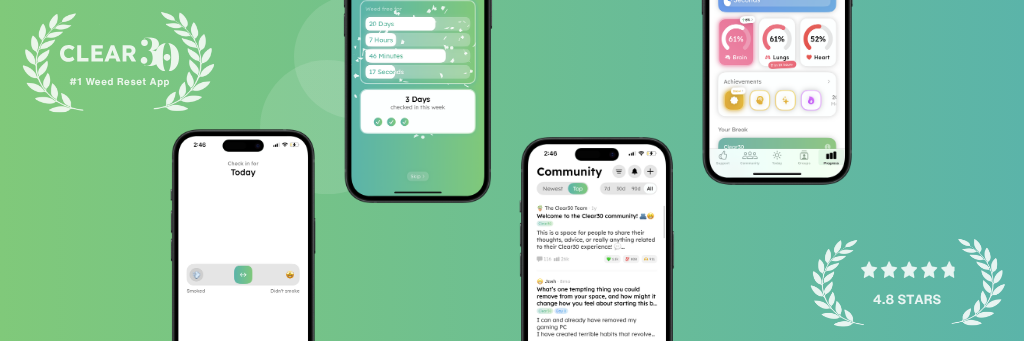
Clear30 is the #1 science-based weed-break app. Join 150,000+ others resetting their relationship with cannabis and taking control of their focus, sleep, and mood.
Cannabis use can feel harmless—until suddenly, it doesn't. Whether you're questioning your own habits or just curious about the science, this guide walks you through what cannabis addiction actually looks like, why it happens, and the signs it may be time for a reset.
In this article, we'll cover how weed affects the brain, the most common signs of dependence, what withdrawal really feels like, and—most importantly—how to take back control.
🧠 Understanding Cannabis Addiction
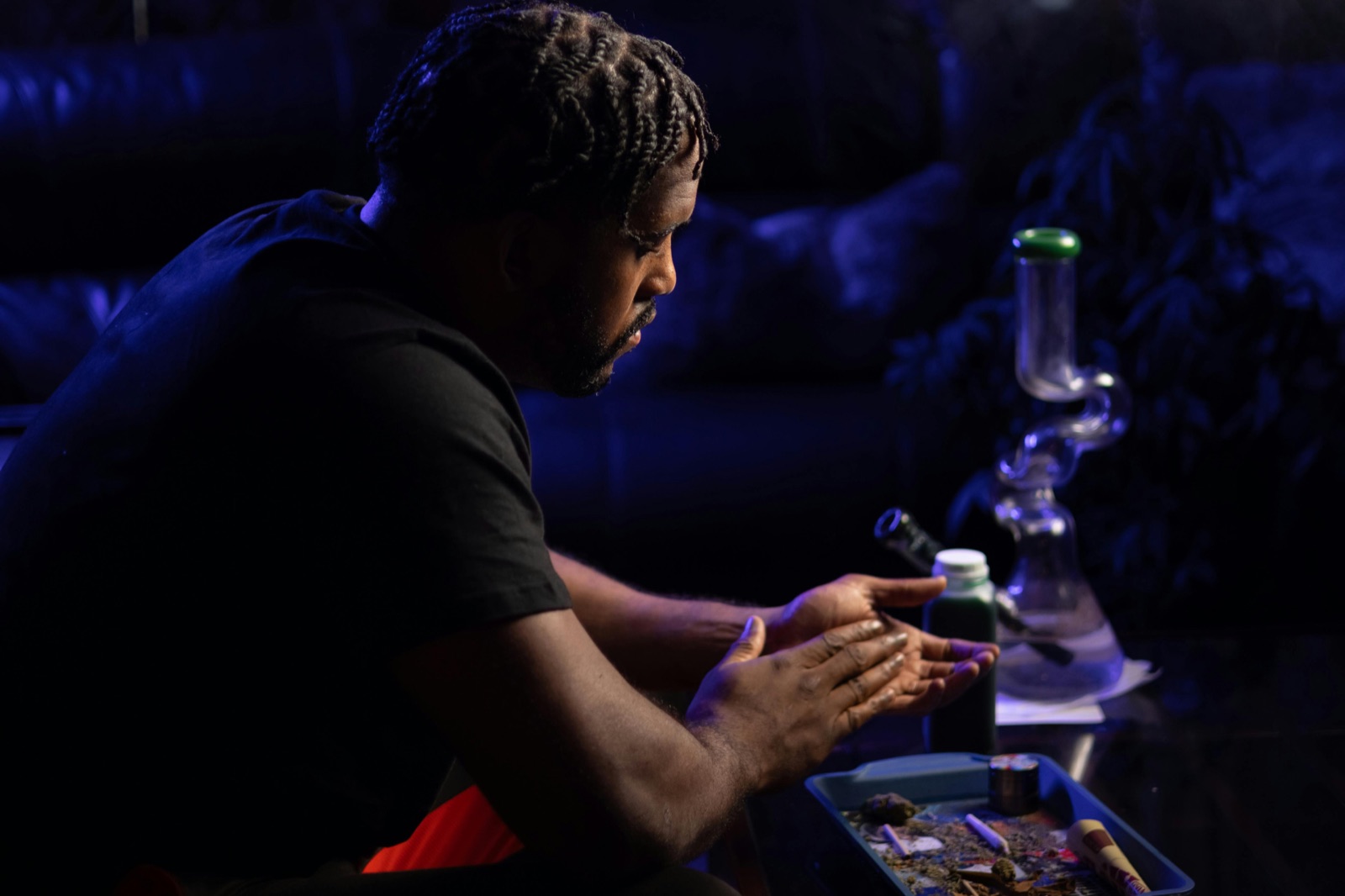
Cannabis addiction is more nuanced than many people realize. The medical community refers to it as Cannabis Use Disorder (CUD), a recognized condition classified under Substance Use Disorders (SUDs) in the Diagnostic and Statistical Manual of Mental Disorders (DSM-5).
It's important to understand the spectrum of cannabis use:
- Habitual use: Regular consumption that fits into your lifestyle without causing significant problems. You use cannabis by choice and can take breaks without much difficulty.
- Dependence: Your body and mind have adapted to regular cannabis use. You may experience withdrawal symptoms when you stop, and you find it hard to function normally without it.
- Addiction: Compulsive use despite negative consequences. Cannabis takes priority over responsibilities, relationships, and well-being. You want to quit or cut back but struggle to do so.
Understanding where you fall on this spectrum is the first step toward making informed decisions about your cannabis use.
How Cannabis Affects the Brain
Understanding the neuroscience behind cannabis use helps explain why addiction can develop. When you consume cannabis, THC—the primary psychoactive compound—enters your bloodstream and crosses the blood-brain barrier. Once there, it binds to CB1 receptors in the brain's endocannabinoid system.
This binding triggers a surge of dopamine in the brain's reward system, producing feelings of pleasure, relaxation, and euphoria. Dopamine is the same neurotransmitter involved in other rewarding experiences like eating, exercise, and social bonding.
The problem is that THC produces a much larger dopamine response than most natural rewards. Your brain begins to associate cannabis with pleasure, creating a powerful feedback loop that reinforces the behavior.
What Happens Over Time
- Tolerance builds: Your brain reduces its natural dopamine production and downregulates CB1 receptors to compensate for the constant THC stimulation. You need more cannabis to feel the same effects.
- Baseline dopamine declines: With regular heavy use, your brain's natural dopamine levels can drop below normal. This means everyday activities that used to feel enjoyable—food, music, exercise, socializing—now feel flat or unrewarding without cannabis.
- Dependence develops: Your brain has recalibrated around the presence of THC. Without it, you feel anxious, irritable, or unable to sleep—classic withdrawal symptoms that drive you to use again.
This cycle—tolerance, diminished natural rewards, withdrawal, and continued use—is the neurological foundation of cannabis addiction.
Physical vs. Psychological Dependence
Cannabis dependence can be both physical and psychological, and most people experience a combination of both:
Physical dependence occurs when your body has adapted to the regular presence of THC. Signs include:
- Withdrawal symptoms when you stop (insomnia, appetite loss, sweating, headaches)
- Needing increasing amounts to achieve the same effect
- Feeling physically uncomfortable or "off" without cannabis
Psychological dependence involves the emotional and mental reliance on cannabis. Signs include:
- Using cannabis as your primary coping mechanism for stress, anxiety, boredom, or sadness
- Feeling like you can't relax, have fun, or be creative without it
- Anxiety or panic at the thought of running out or being unable to use
- Organizing your life around cannabis use (planning activities, social events, or schedules based on when you can smoke)
Psychological dependence is often harder to address than physical dependence because it involves deeply ingrained habits and emotional patterns.
🚩 Signs You Might Be Addicted
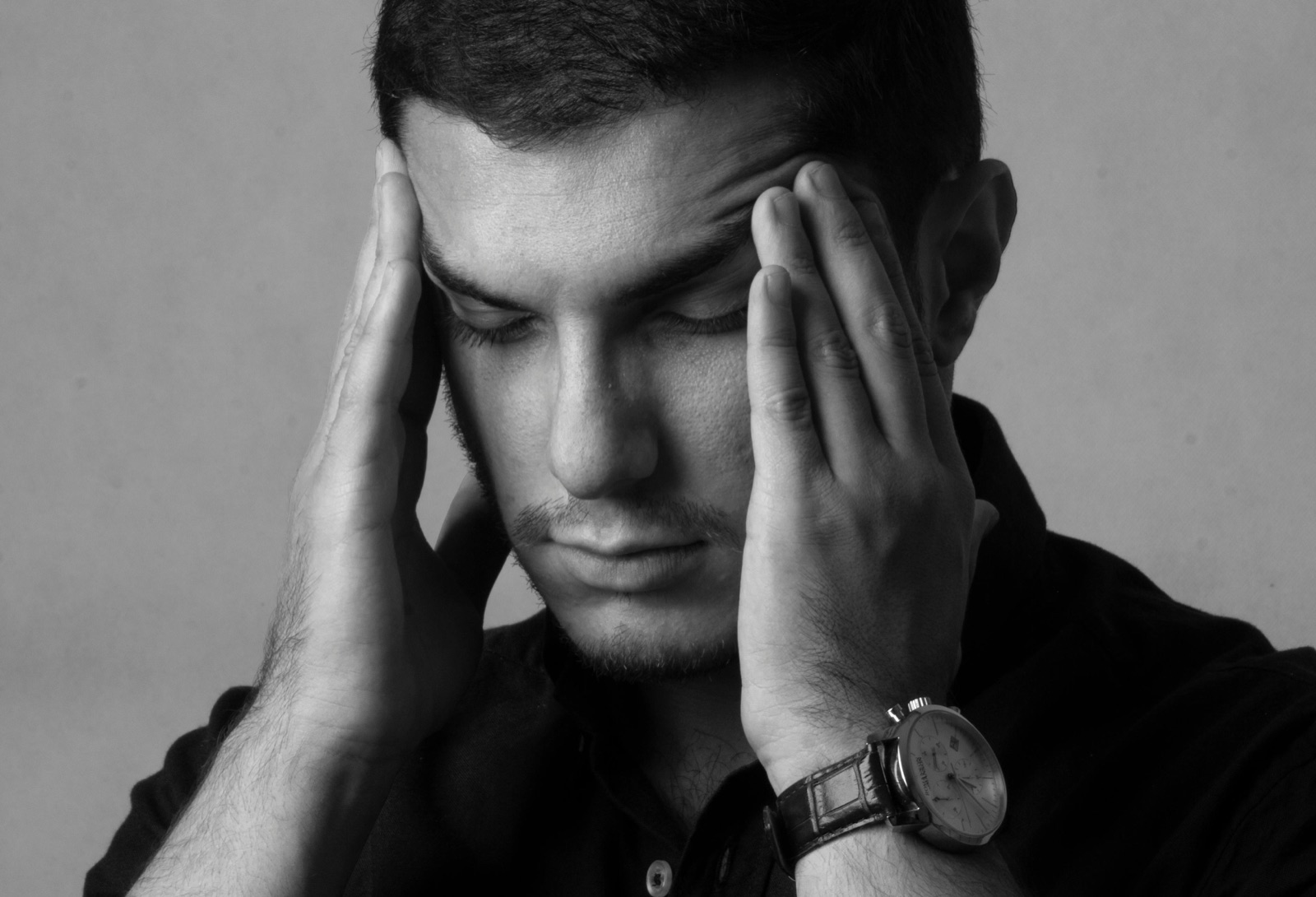
While occasional cannabis use isn't necessarily a problem, there are warning signs that your relationship with weed may have crossed a line:
- Loss of control: You use more cannabis than you intend to, or you use it for longer periods than planned. You've tried to cut back or quit but haven't been able to.
- Neglecting responsibilities: Work, school, family obligations, or personal goals take a back seat to cannabis use. You may call in sick, skip commitments, or procrastinate because of weed.
- Tolerance increase: You need significantly more cannabis to achieve the same effects you once got from smaller amounts.
- Withdrawal symptoms: When you don't use, you experience irritability, anxiety, insomnia, decreased appetite, or restlessness.
- Continued use despite problems: You keep using cannabis even when it's causing issues in your relationships, health, finances, or mental well-being.
- Loss of interest: Activities, hobbies, and social connections that once brought you joy now feel uninteresting unless cannabis is involved.
Questions to Ask Yourself
Honest self-reflection is one of the most powerful tools for evaluating your relationship with cannabis. Take a moment to consider these questions:
- Do I use cannabis more often or in larger amounts than I originally intended?
- Have I tried to cut back or quit and been unable to?
- Do I spend a significant amount of time obtaining, using, or recovering from cannabis?
- Do I experience cravings or strong urges to use?
- Has my cannabis use caused problems at work, school, or in my relationships?
- Have I given up activities I used to enjoy because of cannabis?
- Do I continue using despite knowing it's causing physical or psychological problems?
- Do I need more cannabis than before to get the same effect?
- Do I feel withdrawal symptoms when I don't use?
One r/SeriousConversation user put it this way:If there is weed around, I will be high every waking moment until there is no longer weed around. I was baked pretty much all the time for years. I haven't had any in years now.— u/titanup001 on r/SeriousConversation
If you answered "yes" to two or more of these questions, you may be experiencing Cannabis Use Disorder. The more "yes" answers, the more severe the condition may be. This isn't a diagnosis—but it is a signal worth paying attention to.
Myths to Debunk
There are several persistent myths that can prevent people from recognizing or addressing a cannabis problem:
Myth 1: "Cannabis isn't addictive."
This is one of the most common misconceptions. While cannabis is less physically addictive than substances like alcohol, opioids, or nicotine, it can absolutely cause both physical and psychological dependence. The National Institute on Drug Abuse estimates that approximately 9% of cannabis users will become dependent, rising to about 17% for those who start in adolescence.
Myth 2: "If it's natural, it can't be harmful."
Many harmful substances are natural. The "it's just a plant" argument ignores the fact that today's cannabis products—especially concentrates and high-THC strains—are far more potent than what was available decades ago. Higher potency means faster tolerance buildup and greater addiction risk.
Myth 3: "You can't have withdrawal symptoms from weed."
Cannabis withdrawal is real and clinically recognized. Symptoms can include irritability, anxiety, insomnia, decreased appetite, and physical discomfort. While not typically dangerous, these symptoms can be significant enough to make quitting very difficult.
📉 Risks and Impact
Not everyone who uses cannabis will develop an addiction. Several factors influence your risk:
- Genetics: Research suggests that genetics account for approximately 50-70% of addiction risk. If addiction runs in your family, you may be more susceptible to developing Cannabis Use Disorder.
- Mental health: People with anxiety, depression, PTSD, ADHD, or other mental health conditions are more likely to use cannabis as self-medication, which increases the risk of dependence.
- Environment: Growing up in an environment where substance use is normalized, experiencing trauma, or facing chronic stress can all increase vulnerability to addiction.
- Age of first use: Starting cannabis use during adolescence—when the brain is still developing—is associated with a higher risk of developing dependence later in life.
- Frequency and potency: Daily use, heavy use, and consumption of high-potency products (concentrates, edibles with high THC levels) accelerate tolerance and dependence.
The Impact on Your Life
When cannabis use becomes compulsive, it can affect nearly every area of life:
- Mental health: Chronic heavy use is associated with increased anxiety, depression, and in some cases, psychosis or paranoia. Cannabis can also mask underlying mental health conditions, making them harder to identify and treat.
- Relationships: Addiction can create distance between you and loved ones. Partners, friends, and family may feel frustrated, worried, or shut out. Social isolation can deepen as cannabis becomes your primary source of comfort.
- Productivity and goals: Brain fog, reduced motivation, and procrastination are common effects of heavy cannabis use. Over time, goals that once felt important may fade into the background.
- Finances: Regular cannabis purchases add up quickly, especially as tolerance increases and you need more to achieve the same effect. This financial strain can create additional stress.
Withdrawal Symptoms
If you've been using cannabis regularly and decide to stop or cut back, you may experience withdrawal symptoms. These are a normal sign that your body is readjusting and are typically temporary:
- Irritability and mood swings: Often the most noticeable symptom, usually peaking within the first week.
- Sleep disturbances: Difficulty falling asleep without weed, staying asleep, or experiencing vivid and sometimes unsettling dreams.
- Appetite changes: Reduced appetite or nausea, especially in the first few days. Eating small, frequent meals can help.
- Fatigue and low energy: Your body is recalibrating without the stimulation of THC. Rest and light exercise can ease this.
- Anxiety and restlessness: Heightened anxiety is common as your brain adjusts to functioning without cannabis. Mindfulness and breathing exercises can provide relief.
Most withdrawal symptoms peak within the first 1-2 weeks and gradually resolve over the course of a month. While uncomfortable, they are not dangerous and are a sign that your body is healing.
One r/leaves user described their first week off:The first couple days were the hardest as I was finding myself so bored with life. Gaming wasn't fun, eating wasn't fun and I was easily irritated. My temper was definitely short with everyone. I struggled to fall asleep at night the first few days and was generally just feeling kinda angry and frustrated.— u/Blue_collar_broke on r/leaves
If these symptoms are hitting hard, Clear30's symptom cards pair each one with quick, science-backed tips and breathing guides — built for the moments when you need something other than willpower.
🌿 Path Forward: Taking Back Control
If you've recognized signs of dependence in yourself, here are practical strategies to start making changes:
- Set clear goals: Decide whether you want to quit entirely, take a break, or moderate your use. Having a specific goal gives you something to work toward.
- Track your usage: Keep a log of when, how much, and why you use cannabis. Patterns will emerge that help you identify triggers and opportunities for change.
- Build healthy alternatives: Replace cannabis-related activities with new ones. Exercise, creative hobbies, social activities, and mindfulness practices can fill the gap.
- Create accountability: Tell someone you trust about your goals. Whether it's a friend, family member, or online community, having someone to check in with makes a big difference.
- Be patient with yourself: Change doesn't happen overnight. Setbacks are part of the process, not proof of failure. What matters is that you keep moving forward.
When to Seek Professional Help
There is no shame in seeking professional support. In fact, it's often the most effective path forward:
- Therapy: Cognitive Behavioral Therapy (CBT) and Motivational Enhancement Therapy (MET) are evidence-based approaches that have been shown to help with Cannabis Use Disorder. A therapist can help you understand the root causes of your use and develop personalized coping strategies.
- Support groups: Groups like Marijuana Anonymous (MA) and SMART Recovery provide community-based support and structured programs for people working to change their cannabis habits.
- Counseling: Even a few sessions with a substance use counselor can provide valuable tools and perspectives. Many therapists now offer virtual sessions, making it easier than ever to access help.
- Your primary care doctor: Don't hesitate to talk to your doctor about your cannabis use. They can assess your overall health, discuss potential medications for withdrawal symptoms, and refer you to specialists if needed.
Success Stories
You're not alone in this. Thousands of people have successfully changed their relationship with cannabis — many on r/leaves, Marijuana Anonymous, and through private support of friends, family, and therapists. There's no single right path, but there's always a community of people who've been where you are.
If you want that kind of day-to-day accountability from others actually on the same break, Clear30's groups and community put you in a crew going through it together.
Moving Toward a Balanced Relationship
Whether you decide to quit cannabis entirely, take a break, or work toward moderation, the most important step is the one you take today. Recognizing that your relationship with cannabis might be problematic is a sign of strength, not weakness.
Here are some final thoughts to carry with you:
- Addiction exists on a spectrum. You don't have to hit "rock bottom" to decide that change is needed.
- Your reasons for change are valid, whatever they are—health, relationships, finances, career, or simply wanting to feel more like yourself.
- Support is available. You don't have to figure this out alone. Programs like Clear30, online communities, and professional help are all within reach.
- Recovery is possible. Thousands of people have been exactly where you are and have come out the other side feeling clearer, healthier, and more empowered.
If you're ready to start a 30-day break, Clear30 walks you through each day — with daily check-ins, a supportive community, and tools for the hard moments. Take it one day at a time. You've got this.
Frequently Asked Questions
What are the most common signs of cannabis addiction?
Is cannabis physically addictive?
How do I know if I'm addicted to weed or just a regular user?
Can you be addicted to cannabis if you only use on weekends?
What's the difference between cannabis dependence and cannabis use disorder?
What should I do if I think I'm addicted to weed?
Join the 30-day Clear30 Break and Reset Your Relationship with Weed
Clear30 is a science-backed, supportive way to take a 30-day break from cannabis. Our app gives you practical tools, daily guidance, and a community of people on the same journey.
- Claire — your 24/7 AI weed-break coach
- Daily break calendar & streak tracker
- Money-saved meter
- Groups with leaderboard + accountability pings
- Dedicated craving button & guided craving meditations
- Symptom cards for anxiety, sleep, cravings, and more
- Journal prompts and non-cannabis habit tracking
- Message a human peer expert
Whether you’re quitting, cutting back, or just taking a reset, Clear30 meets you where you are. Try the #1 science-based app to quit weed and compete in our 30-day break with others.
Ready to take a 30-day break from weed?
Clear30 gives you daily guidance, a supportive community, and science-backed tools to help you reset your relationship with cannabis. — The Clear30 Team
Download