
Does Weed Cause Anxiety or Depression?
The real research on cannabis and mental health — what the evidence shows and where it gets nuanced
Clear30 is the #1 science-based weed-break app. Join 150,000+ others resetting their relationship with cannabis and taking control of their focus, sleep, and mood.
This is one of the most-searched questions about cannabis and one of the most confusing to answer — because the honest answer isn't yes or no, it's it depends. Research over the past two decades has clarified a complicated picture: cannabis can provide short-term relief for some people with anxiety or depression, while chronic heavy use — especially starting young — meaningfully increases risk for both conditions.
This guide walks through what the evidence actually shows on anxiety and depression separately, why both directions are true for different people, and what to do if you suspect your own use is making either worse. All citations link to peer-reviewed research or major health authorities.
A note on this guide’s framing: this isn't medical advice. If you're experiencing significant anxiety, depression, or suicidal thoughts, talk to a doctor or mental health professional. In the US, you can call or text 988 to reach the Suicide and Crisis Lifeline at any hour.
🧠 The Short Answer (and Why It's Nuanced)
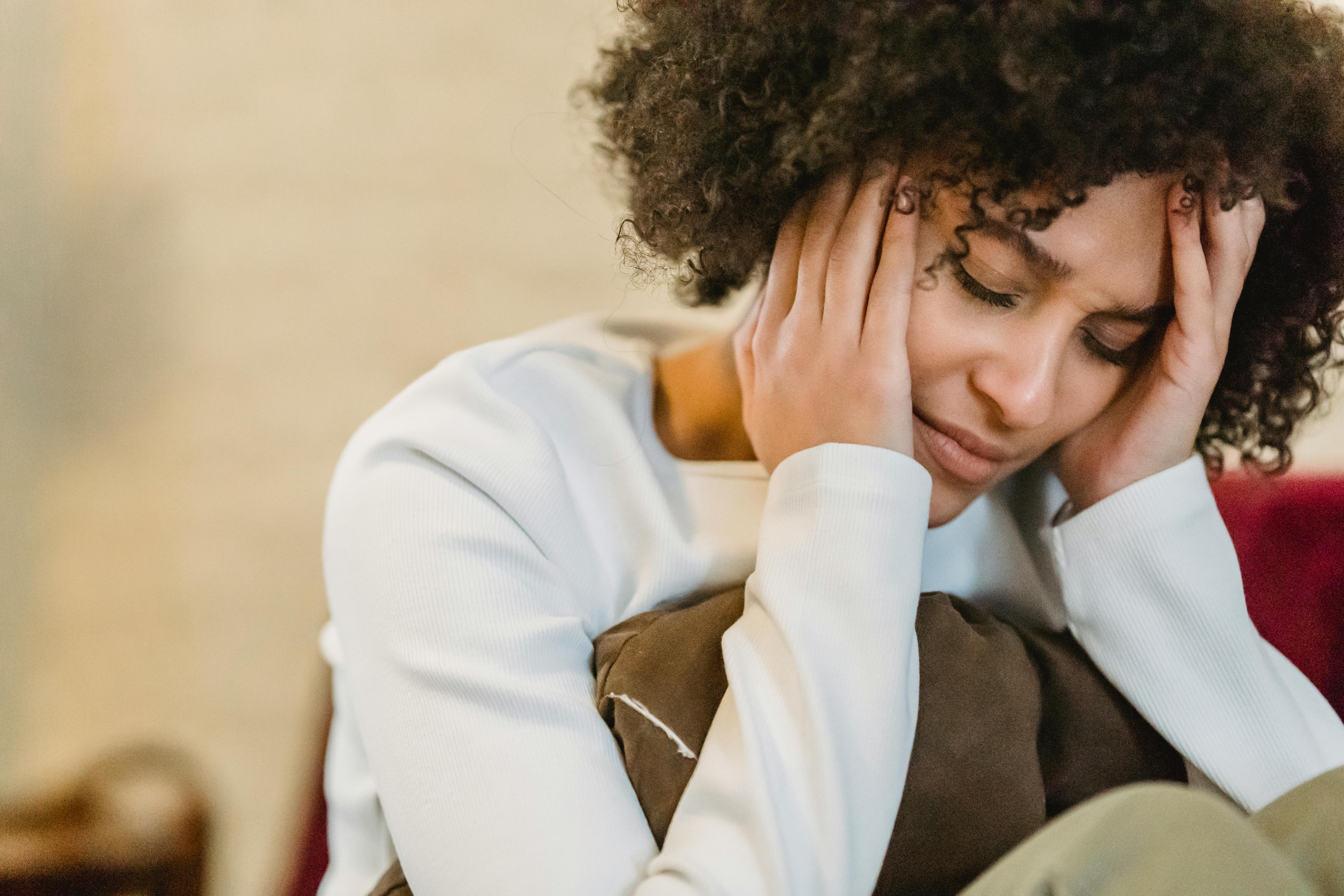
Short-Term vs Long-Term Are Opposites
The central tension in cannabis-and-mental-health research: short-term effects often go in one direction, long-term effects go in the other.
- Short-term: Low-to-moderate doses of cannabis can reduce anxiety for many users (this is why anxiety is one of the most common reasons people give for using).
- Long-term / chronic heavy use: Regular heavy use is linked to higher baseline anxiety, worsening depression risk, and poorer outcomes for existing mental health conditions.
Both can be true simultaneously: cannabis helped tonight, and cannabis is making next month's anxiety worse.
This is why so many users report feeling stuck: the acute effect (relief) keeps reinforcing use, while the cumulative effect (worsening baseline) increases how much relief you need. The pattern tends to escalate rather than stabilize.
What the Research Actually Says
A few well-established findings from major studies:
- Heavy cannabis use, particularly in adolescence, is associated with significantly increased risk of developing depression and anxiety disorders. A Gobbi et al. meta-analysis in JAMA Psychiatry (2019) pooling 23,317 adolescents across longitudinal studies found cannabis use before age 18 was linked to meaningfully higher rates of depression, suicidal ideation, and suicide attempts in young adulthood — independent of pre-existing mental-health conditions. This complements NIDA's broader summary of the research.
- Heavy use is linked to higher rates of psychosis in those with predisposition — particularly schizophrenia-spectrum disorders. This effect is stronger with high-potency products.
- Cannabis Use Disorder (CUD) is highly comorbid with mood and anxiety disorders, with overlapping symptoms that can make either condition harder to diagnose or treat.
- The relationship is bidirectional. Some people use cannabis because of pre-existing anxiety or depression; others develop those conditions partly as a result of heavy use. Research isn't always able to separate the two directions.
What the research doesn't say: that all cannabis use is harmful, or that quitting fixes all mental health conditions. The effects are dose-dependent, frequency-dependent, and individual.
😰 Cannabis and Anxiety
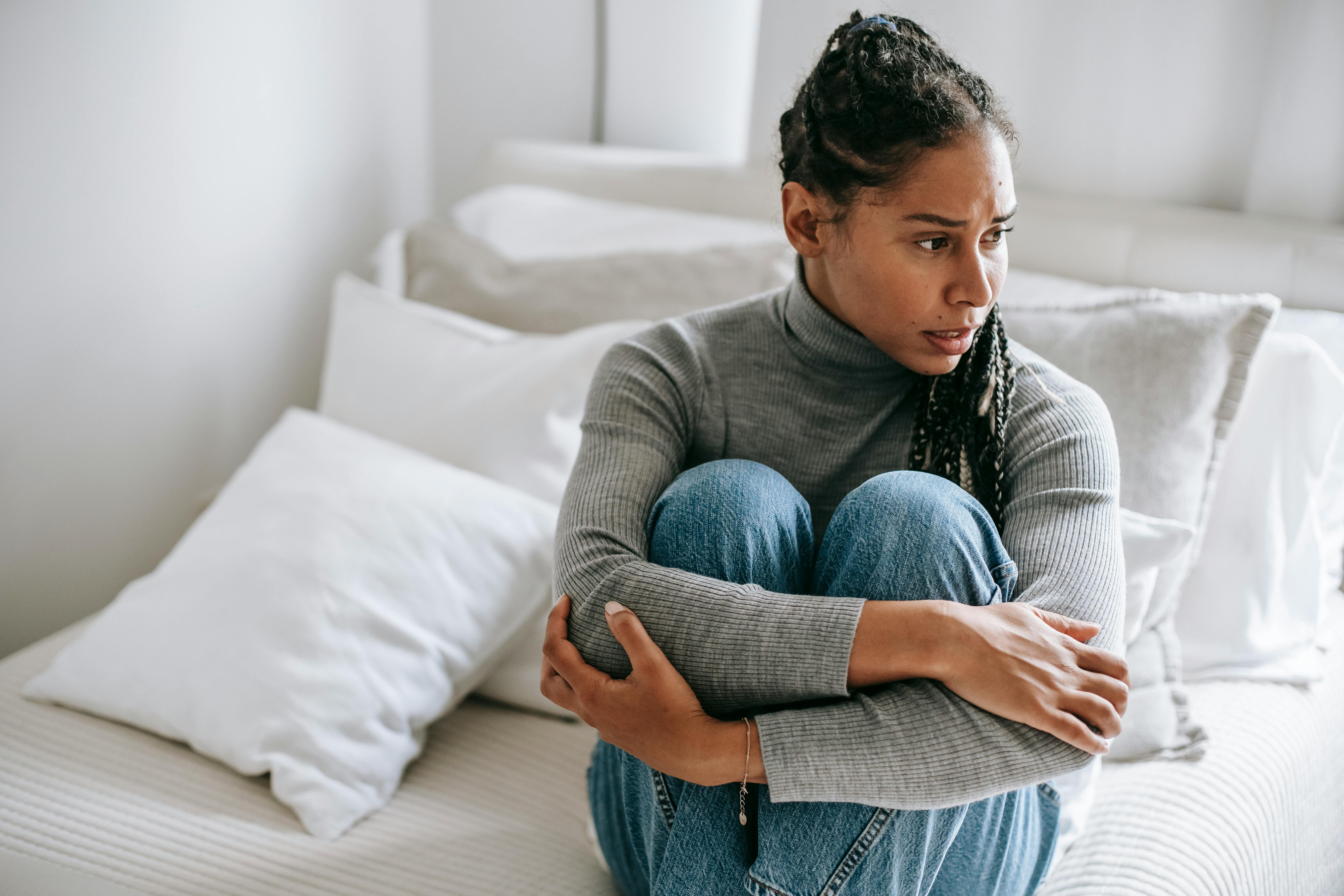
Why Weed Helps Anxiety Short-Term
Cannabis's acute anti-anxiety effect has real biology behind it. Low-to-moderate doses of THC activate CB1 receptors in the amygdala (the brain's threat-detection center), dampening anxiety-related signaling. CBD, separately, interacts with serotonin receptors in a way that appears to reduce acute anxiety for many people.
The relief is real — that's why so many people with anxiety use cannabis. In the moment, your racing thoughts quiet, your body relaxes, and uncomfortable feelings become more bearable.
Why It Makes Anxiety Worse Long-Term
Three overlapping mechanisms:
- Rebound anxiety. When THC wears off, many users experience a spike in anxiety that's worse than baseline. This drives reuse. Over time, you're bouncing between temporary relief and amplified rebound, with a steadily higher floor.
- Endocannabinoid system adaptation. Chronic heavy THC exposure causes CB1 receptor downregulation. Your brain's natural anti-anxiety system becomes less responsive, meaning your baseline (without cannabis) shifts toward more anxiety.
- Behavioral avoidance. Using cannabis to manage anxiety means you don't develop the coping skills, exposure tolerance, or therapeutic strategies that actually treat the underlying anxiety. The problem gets worked around rather than worked through.
High-Potency Cannabis and Panic Attacks
A specific issue worth naming: very high-potency cannabis (concentrates, dabs, high-THC carts) can trigger acute panic attacks, sometimes in users who have never had one before.
Higher doses of THC activate CB1 receptors so intensely that the short-term anxiolytic effect flips into its opposite. The result is acute paranoia, racing heart, feelings of doom, and sometimes derealization. These episodes resolve on their own but can be deeply distressing.
If you've experienced one, it's often a signal to either dose way lower or stop entirely — not because you're weak, but because your brain is telling you something about your individual threshold.
One r/leaves user on what they found after stopping:I thought weed was helping me with my anxiety. Then I started to get depressed because I didn't want to be a "stoner". Once I quit weed, all my anxiety and depression went away. Sure, I have the usual social anxiety and impending doom thoughts every now and then, but we cannot expect to be happy 100% of the time. I feel immensely better since quitting 3 weeks ago.— u/TalesfromtheCrypt138 on r/leaves
😔 Cannabis and Depression

The Research on Depression Risk
The evidence on cannabis and depression is strong for a specific subset of users: heavy adolescent users and heavy long-term adult users.
- A large meta-analysis found that adolescents who use cannabis are at significantly higher risk of depression and suicidal ideation in young adulthood compared to non-users — even after controlling for other factors.
- For adults, the relationship is messier, but heavy daily use consistently correlates with higher rates of depression.
- People who start with existing depression and use cannabis to cope often experience worse depressive symptoms over time compared to those who treat the underlying condition.
Importantly: correlation isn't causation. Some of the link reflects people self-medicating existing depression. But the prospective studies (following people over time) consistently find that heavy use precedes worsening depression in many cases, suggesting causation in at least one direction.
Why Cannabis Can Amplify Depression
Similar mechanisms to anxiety, but with specific depression-relevant biology:
- Dopamine dysregulation. Heavy use reduces baseline dopamine response to non-cannabis rewards — food, exercise, social connection, accomplishment. The things that normally generate mood feel flatter, which is the core experience of depression.
- Motivation suppression. Regular heavy cannabis use is associated with reduced motivation and engagement, sometimes called amotivational syndrome. This overlaps substantially with depression symptoms.
- Sleep disruption. While cannabis helps some users fall asleep, chronic use suppresses REM sleep, which is important for emotional regulation. Chronic REM suppression is associated with mood disorders.
- Social withdrawal. Heavy daily use often shifts social patterns — more solo use, less engagement with friends and family. Social isolation is one of the strongest drivers of depression.
What Happens to Mood When People Quit
Two phases worth separating:
The first 2 weeks: Mood often gets worse before it gets better. Withdrawal brings irritability, anxiety, sleep disruption, and sometimes depressive symptoms that weren't there before. This is temporary and is actually part of recovery — your brain is recalibrating dopamine signaling.
Weeks 3 and beyond: Most heavy users report meaningful mood improvement by week 3–4, with continued gradual improvement over months. Common reports: food tastes better, hobbies feel rewarding again, social contact feels more meaningful, motivation returns.
This doesn't mean cannabis caused the depression for everyone — some people have underlying conditions that persist after quitting. But if a meaningful amount of what felt like chronic depression resolves in 4–8 weeks of abstinence, that strongly suggests cannabis was a substantial contributor. See our withdrawal timeline for what to expect week-by-week.
🩺 What to Do If You're Noticing It
Honest Self-Assessment First
Before deciding whether cannabis is contributing to your anxiety or depression, a few honest questions:
- Did the anxiety or depression come first, or did heavy use come first? (Memory is unreliable here — if you're not sure, that's useful information too.)
- Does the anxiety/depression feel worse the day after heavy use? In the hours before your next use?
- Have you used cannabis to manage the mental health symptom? (Be honest — most people have at least sometimes.)
- Does mental health feel better or worse during natural cannabis-free periods (travel, illness, being around non-users)?
If your honest answers suggest cannabis might be a contributor, a structured break is the most informative thing you can do. Our self-assessment guide covers whether a break is a fit — and our t-break guide walks through how to structure one.
Break-Based Experiment
A practical approach: commit to 30 days off. Track your anxiety and/or depression symptoms daily on a simple 1–10 scale. At day 30, look at the trend line.
Three likely patterns:
- Gradual improvement: Strong signal that cannabis was contributing. Most heavy users see this by week 3–4.
- Worse in week 1–2, improvement by week 3–4: Normal withdrawal curve. Also a signal that cannabis was contributing.
- No meaningful change by week 4: Cannabis may not be the primary driver of your symptoms. Worth getting evaluated for an underlying mood or anxiety disorder.
The 30-day break is diagnostic — you'll know more about your mental health and cannabis's role in it at day 30 than you did going in. Whatever you decide to do next is better-informed.
For structured scaffolding through the break itself — especially during the harder first two weeks when mood often dips — Clear30's break calendar and community are built for this kind of diagnostic 30-day run.
Getting Professional Support
Some cases genuinely need clinical support beyond a self-managed break:
- Severe depression or suicidal thoughts: Talk to a doctor or call/text 988 immediately. Don't rely on a cannabis break as the only intervention.
- Anxiety that's disabling: Panic attacks, avoidance of normal activities, or physical symptoms like racing heart/trembling frequently — worth a professional evaluation.
- Cannabis use that feels out of control: If you can't stop or cut back despite trying, that's a signal to work with a therapist. Cognitive Behavioral Therapy and Motivational Enhancement are the best-evidenced modalities.
- Symptoms that persist after 4+ weeks of abstinence: Likely indicates an underlying condition that cannabis was masking. Treating it directly (therapy, medication, or both) is usually more effective than continuing to manage with cannabis.
Telehealth options have dramatically expanded access to mental health professionals in the last few years. Most insurance covers it. If you've been avoiding therapy because of stigma or logistics, the barriers are much lower than they used to be.
A 3-months-sober r/leaves user on the mixed reality:3 months sober as of today — yes and no. Quitting has definitely eased my anxiety, but as for my depression, I had been using weed to numb myself and now I am feeling the full force of my sadness. My mood has always been up and down, so now the lows are much more intense and difficult to manage without the numbing effects, but the good days are also better. I'm working on developing alternate coping skills for those bad days.— u/wannabetop69 on r/leaves
What About Microdosing, CBD-Only, or Medical Cannabis?
Three common questions from people trying to navigate cannabis and mental health without quitting entirely:
Is microdosing THC safer for mental health? Possibly, for some users. Microdosing (very small, regular doses that don't produce a noticeable high) seems to avoid the acute-high-then-rebound pattern that drives anxiety amplification. But it's still chronic exposure, so long-term receptor downregulation can still happen. Research specifically on microdosing for mental health is limited — most evidence is anecdotal.
Is CBD-only a better option? CBD doesn't activate CB1 receptors the way THC does, so it largely avoids the tolerance-dependence-amplification cycle. Some users report meaningful anxiety relief from CBD without the long-term downside. That said, CBD isn't a cure — it's roughly comparable to a mild anxiolytic. For anxiety or depression severe enough to need treatment, it's not a substitute for therapy or prescribed medication, and quality varies dramatically between CBD products. Look for third-party-tested products with verified THC content (often listed as <0.3%) if you want to experiment.
What about medical cannabis prescribed for anxiety or depression? Medical use for these specific conditions is controversial among mental health professionals. Some jurisdictions approve it; many don't. The research base is thinner than for conditions like chronic pain or chemotherapy-induced nausea. If a doctor is recommending medical cannabis for anxiety or depression, ask about specifically what research they're drawing on, what dose protocol they recommend, and how they'll monitor for the long-term amplification pattern.
A reasonable alternative worth considering: if you're using cannabis primarily for sleep-related anxiety, our sleep guide covers non-cannabis tactics for the same underlying problem — without the rebound pattern.
Frequently Asked Questions
Does weed cause depression?
Does weed cause anxiety?
Will my anxiety improve if I quit weed?
Is weed a safer alternative to antidepressants or anti-anxiety medication?
Can cannabis trigger psychosis?
Should I quit weed if I have depression or anxiety?
Join the 30-day Clear30 Break and Reset Your Relationship with Weed
Clear30 is a science-backed, supportive way to take a 30-day break from cannabis. Our app gives you practical tools, daily guidance, and a community of people on the same journey.
- Claire — your 24/7 AI weed-break coach
- Daily break calendar & streak tracker
- Money-saved meter
- Groups with leaderboard + accountability pings
- Dedicated craving button & guided craving meditations
- Symptom cards for anxiety, sleep, cravings, and more
- Journal prompts and non-cannabis habit tracking
- Message a human peer expert
Whether you’re quitting, cutting back, or just taking a reset, Clear30 meets you where you are. Try the #1 science-based app to quit weed and compete in our 30-day break with others.
Ready to take a clear break from weed?
Start your 30-day break with Clear30 and reset your relationship with cannabis. You'll feel the difference. — The Clear30 Team
Download