 Clear30 for Universities
Cannabis and performance, with the San Diego Padres and Los Angeles Dodgers
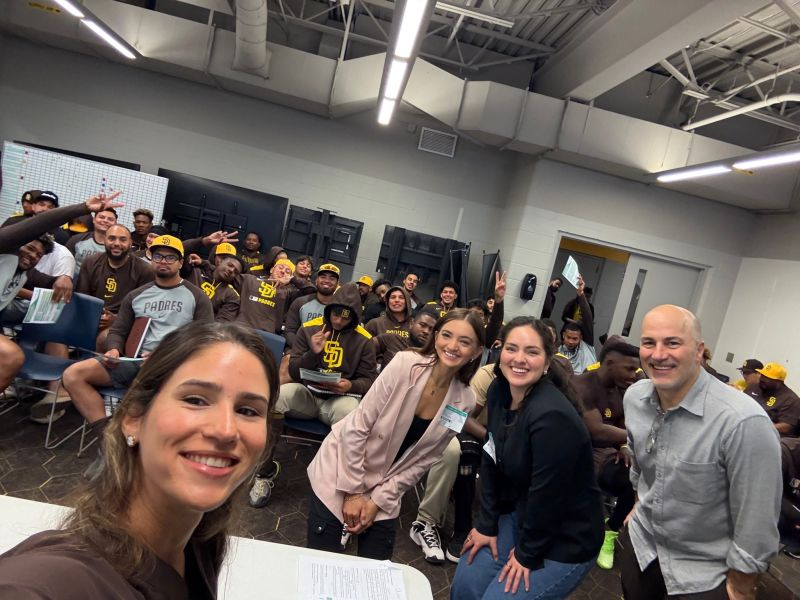
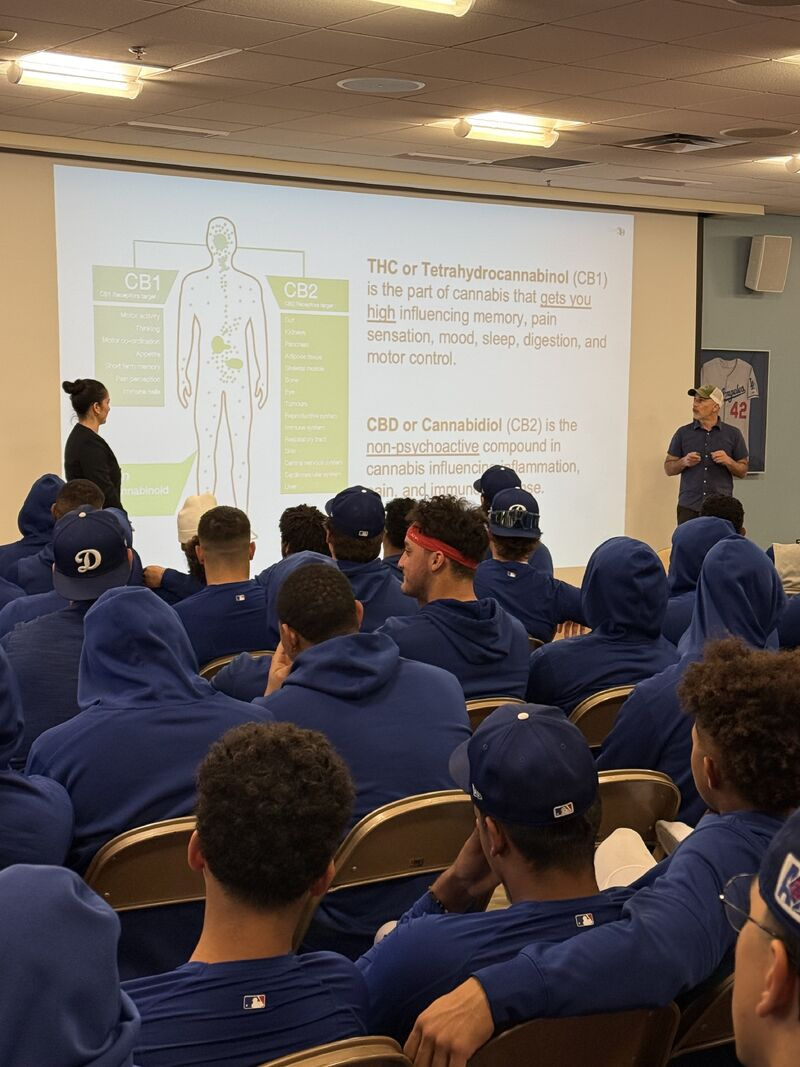
Dr. Fred Muench, Clear30’s co-founder and chief science officer, spoke with the San Diego Padres and Los Angeles Dodgers organizations about cannabis and performance: the short-term effects players expect, the longer-term impacts on mental health and performance that tend to get overlooked, and what to do when someone is using more than they would like.
Professional athletes are an unusual audience for this conversation. In December 2019, Major League Baseball and the players association removed natural cannabinoids from the Joint Drug Program’s list of drugs of abuse, agreeing to treat cannabis-related conduct the way alcohol-related conduct is treated.1 That shifts the question for a player away from eligibility and toward whether use is affecting sleep, recovery, motivation and focus. It is the same question Clear30 was built around, and it is why the session dealt with reduction and self-assessment rather than prohibition.
Muench opened by setting aside the question teams usually ask first. Estimates of how many professional athletes use cannabis run anywhere from 40 to 80 percent across the major leagues, and no study can pin the real figure down, because players have little reason to answer honestly.2 His argument was that the prevalence number does not matter. What matters is whether a given player is getting the wellbeing and the performance they want.
The presentation separated what cannabis does in the hours after use from what it does after a year or more of regular use, because the two look very different and players tend to judge by the first.
In the hours after use, the appeal is real. Better mood, relaxation, more enjoyment of exercise, easier sleep onset, divergent thinking, and less pain. The same window also brings slower reaction time, worse balance, weaker cognitive processing, decision making and memory, and reductions in REM sleep, muscle activation, power output and oxygen uptake.
After a year or more of regular use, the balance shifts. Reaction time, memory, attention, motivation, decision making and sensitivity to negative feedback all decline. Sleep efficiency, dopamine, testosterone in men and oxygen saturation drop. Heart rate and cardiovascular risk rise, along with depression, anxiety and suicidal thinking.
That second list is the one that matters for a professional athlete, because it is made almost entirely of the things a career depends on. Reaction time, decision making, recovery, motivation, and the ability to take hard feedback. In people under 25 the brain is still adapting to regular use, which covers most of a roster’s early years.
Muench took the four justifications he hears most and put each against the evidence.
Pain. There is real evidence for THC and CBD in chronic pain tied to medical conditions such as cancer, in nausea from cancer treatment, and in epilepsy. For ordinary pain over time, neither performs better than mindfulness combined with over-the-counter anti-inflammatories.
Sleep. This is the one players are most confident about, and it is the clearest reversal. Cannabis does help people fall asleep. Regular use then produces more awakenings, more fragmented sleep, and suppressed REM, which is the stage the brain uses to process the day. Falling asleep faster while sleeping worse is a bad trade for someone whose job is physical recovery.
Mental health. No randomized controlled trial has shown THC improving a mental health condition beyond a couple of weeks, and population studies covering millions of people point the other way, particularly for depression and psychosis.
Performance. No randomized controlled trial has ever shown THC improving athletic performance.
The session did not end on abstinence. It ended on what to do if someone is using more than they intend to, which is the situation most people in the room recognized and the one that has almost no support built for it.
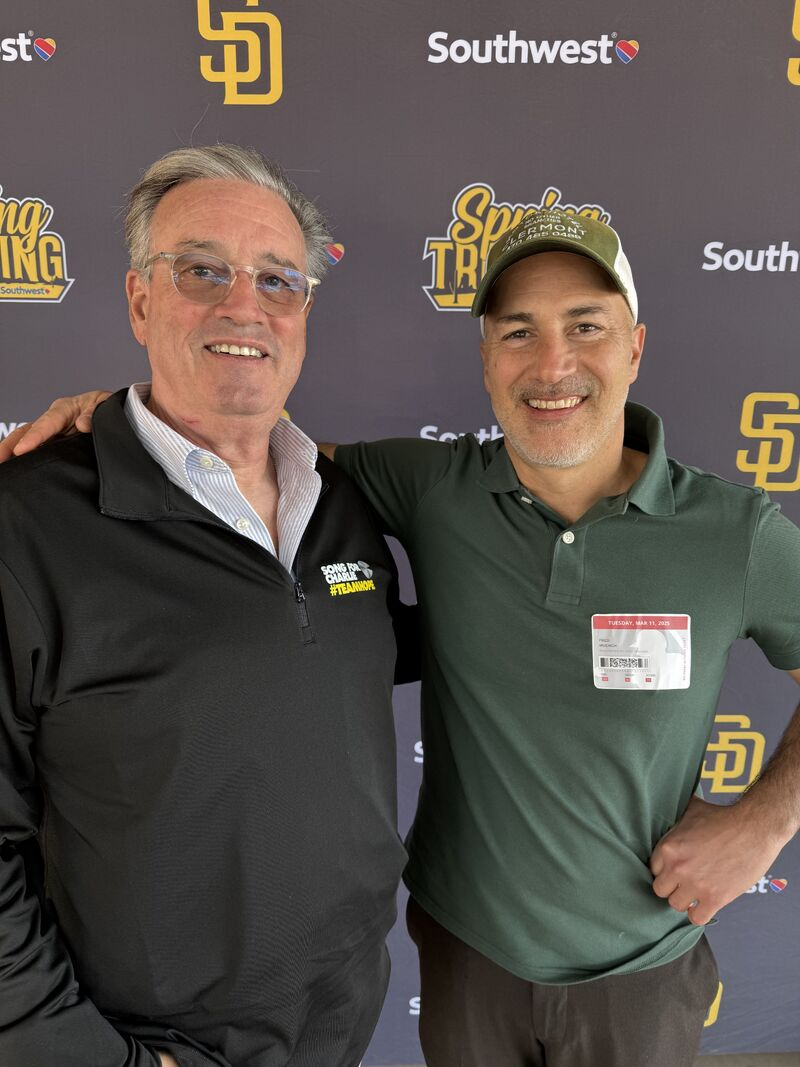
Muench presented alongside Ed Ternan, co-founder and president of Song for Charlie, a national family-led nonprofit that works on counterfeit pills made of fentanyl and, in its own words, encourages young people to choose healthy coping strategies over self-medication.3 Song for Charlie has worked with baseball before, announcing a partnership with the Professional Baseball Athletic Trainers Society in 2024 with support from Major League Baseball.4 Gina Malagold, PhD and Renee Cuevas of Song for Charlie crushed it, delivering the Clear30 cannabis and performance information in Spanish.
The sessions were organized with the teams’ mental performance coaches and MLB performance staff, who have taken on player mental health as a long-term responsibility rather than a compliance exercise.