 Clear30 for Universities
Clear30 at The White House on innovation in substance use prevention, treatment, and recovery
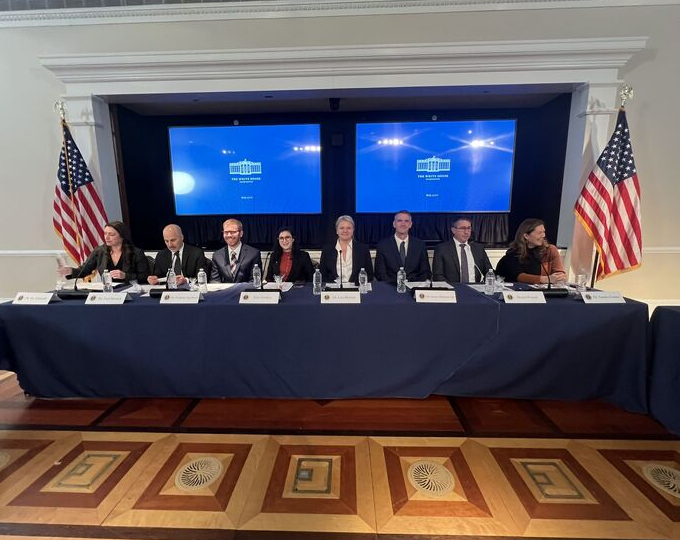
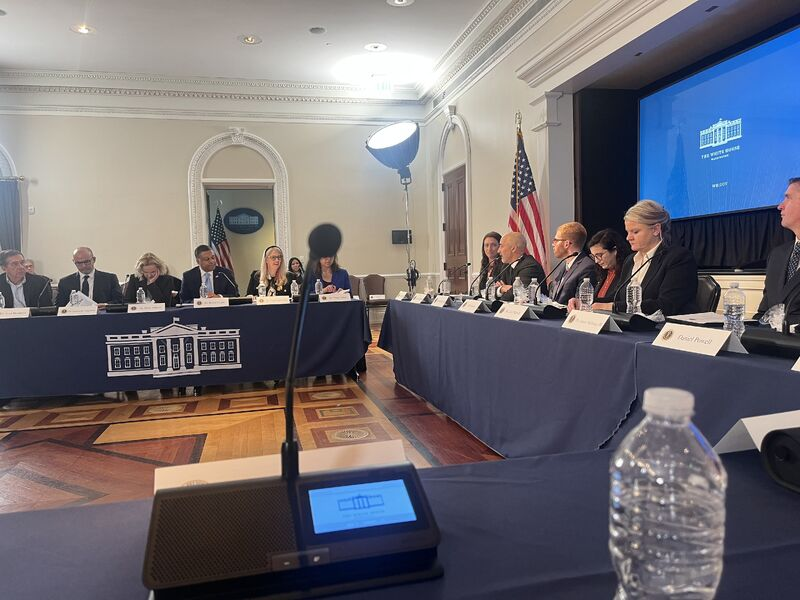
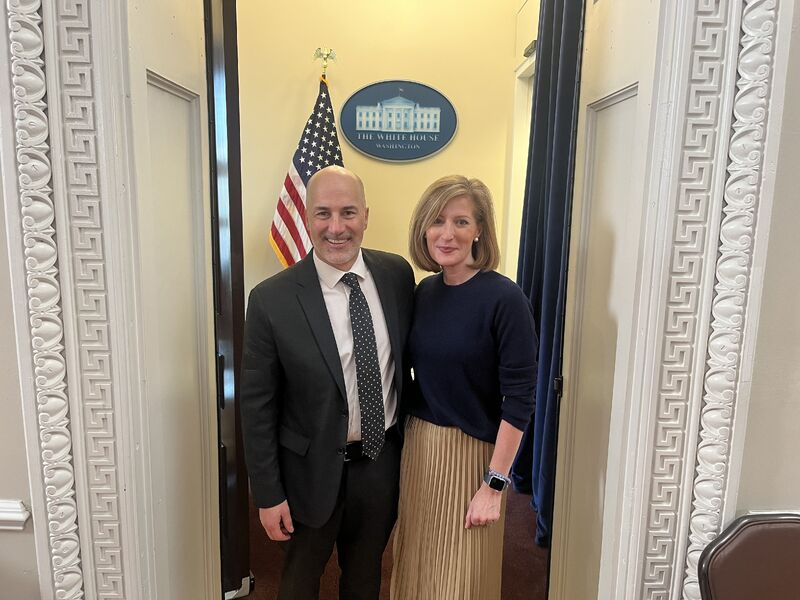
The Office of National Drug Control Policy and the National Institute on Drug Abuse convened seven scientists and entrepreneurs at The White House to discuss innovation in substance use prevention, treatment and recovery. Clear30 was represented by co-founder and chief science officer Dr. Fred Muench and board member Marcia Lee Taylor, former head of policy at Partnership to End Addiction.
The conversation covered digital therapeutics, artificial intelligence and neuromodulation, and returned repeatedly to a structural problem: the tools exist, but the systems that would pay for them and put them in front of people largely do not.
Cannabis is where that gap is widening fastest. Daily or near-daily cannabis use now surpasses daily drinking in the United States for the first time on record.1 Roughly 20 million Americans meet the criteria for cannabis use disorder,2 and only about one in six of them receives any formal treatment.3 THC in cannabis flower has climbed from about 4 percent in the early 1990s to roughly 20 percent today, with concentrates far higher.4 Heavy use is increasingly linked to higher rates of anxiety, depression, psychosis and suicidality, and the association is strongest among people under 25.5
Clear30’s argument at the table was that the people in that gap are not waiting to be persuaded into treatment. More than 90 percent of people with cannabis use disorder never enter traditional care, yet many of them are actively looking for a way to cut back. Reaching them takes products they will actually open, and behavior change delivered where they already are, rather than a referral to a system they have no intention of entering.
Muench has watched the field arrive at that position slowly. He launched his first substance use technology company fifteen years ago and had to pivot it to diabetes to sell it, because at the time nobody would use a digital recovery program for substance use. Many others met the same fate. That a federal panel now treats digital therapeutics as part of the answer is a measure of how far the field has moved.
Much of the discussion focused on what still has to change for these tools to reach scale, principally investment and reimbursement, which determine whether an effective product is available to the people who need it or only to the people who can pay out of pocket.
The session was organized by ONDCP, including Dr. Rahul Gupta, Cecelia Spitznas and Sanaea Cowasjee, and NIDA, including Dr. Nora Volkow and Dr. Leonardo M. Angelone, with representatives from the FDA, DEA, CDC and CMS also taking part.